What makes your breeding program different?
+
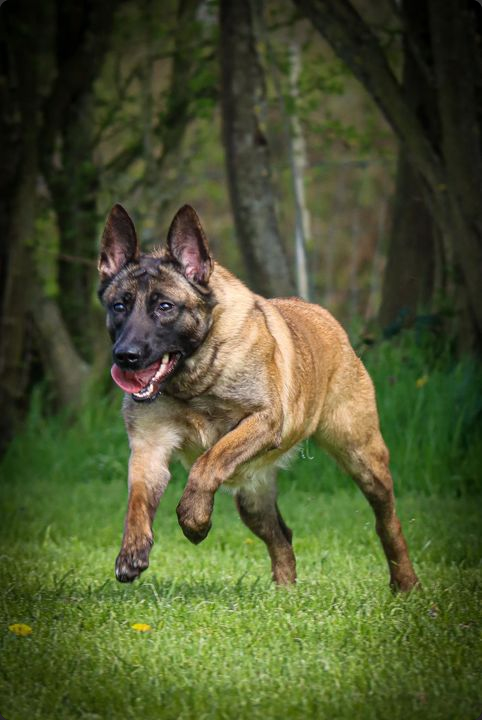
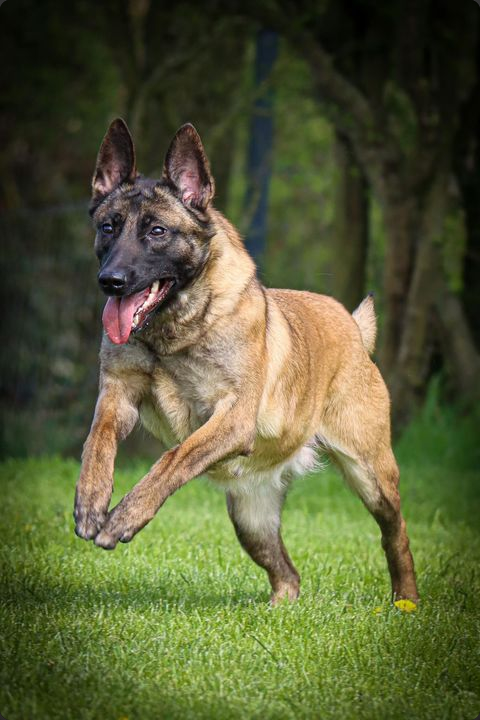
I keep the breeding program small and selective. Working ability, nerve, health, pedigree depth, and complementary traits between sire and dam all matter. The goal is not to produce more litters; it is to give the training program better raw material to work with.
How do you test your dogs' working ability?
+
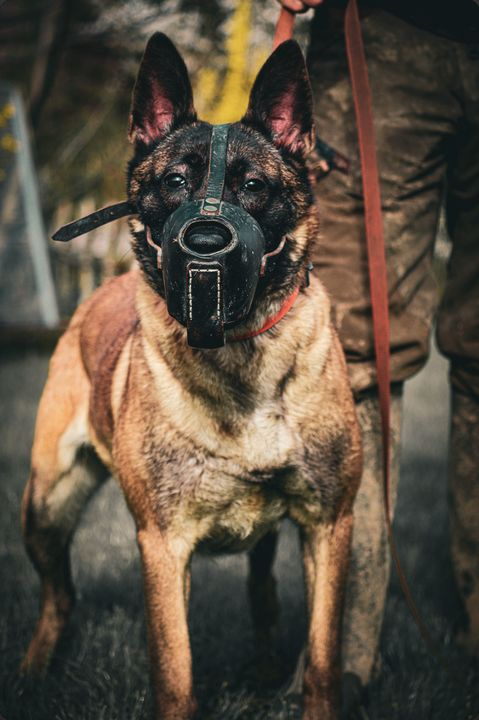
Every dog is tested under real, layered pressure — not a single controlled scenario, but compound, unpredictable stress that reflects what a genuine security situation actually looks like. This is combined with advanced protection scenarios and tactical training to confirm strong drive, a clear head, and real working ability under pressure. These are not standard protection dogs — they are working dogs developed for genuine security needs.
What happens to dogs that don't make it through your program?
+
Because my standards are strict, not every dog I raise ends up in protection work — and I'm upfront about that. Dogs that don't meet my threshold for working nerve are never placed as protection dogs. They're rehomed responsibly, matched to the right kind of life for their actual temperament. A high wash-out rate is a sign the standard is real, not a flaw in the dog — most dogs are simply better suited to a different life than this one.
How is your training different from other protection dog programs?
+
My system develops drive and regulation separately before expecting the dog to perform both together. Foundation comes before pressure. The aim is not simply a more intense dog, but a dog that can work hard, think clearly, and return to control. The system is consistent across every dog I develop.
My dog will be around my family — how do I know it will be safe?
+
This is exactly what my foundation training is built around. A dog with real drive but no regulation is dangerous. A dog I place has been proven to return to a calm, settled state on command, even coming off high pressure — that's not optional in the program, it's the core of it.
What level of handler experience is required?
+
These dogs require experienced handling. They are true working Malinois with strong drives - not standard family pets. Handlers must be committed to maintaining training and managing a high-drive working dog. I provide handler training and ongoing support to ensure a successful integration.
What training do your dogs receive?
+
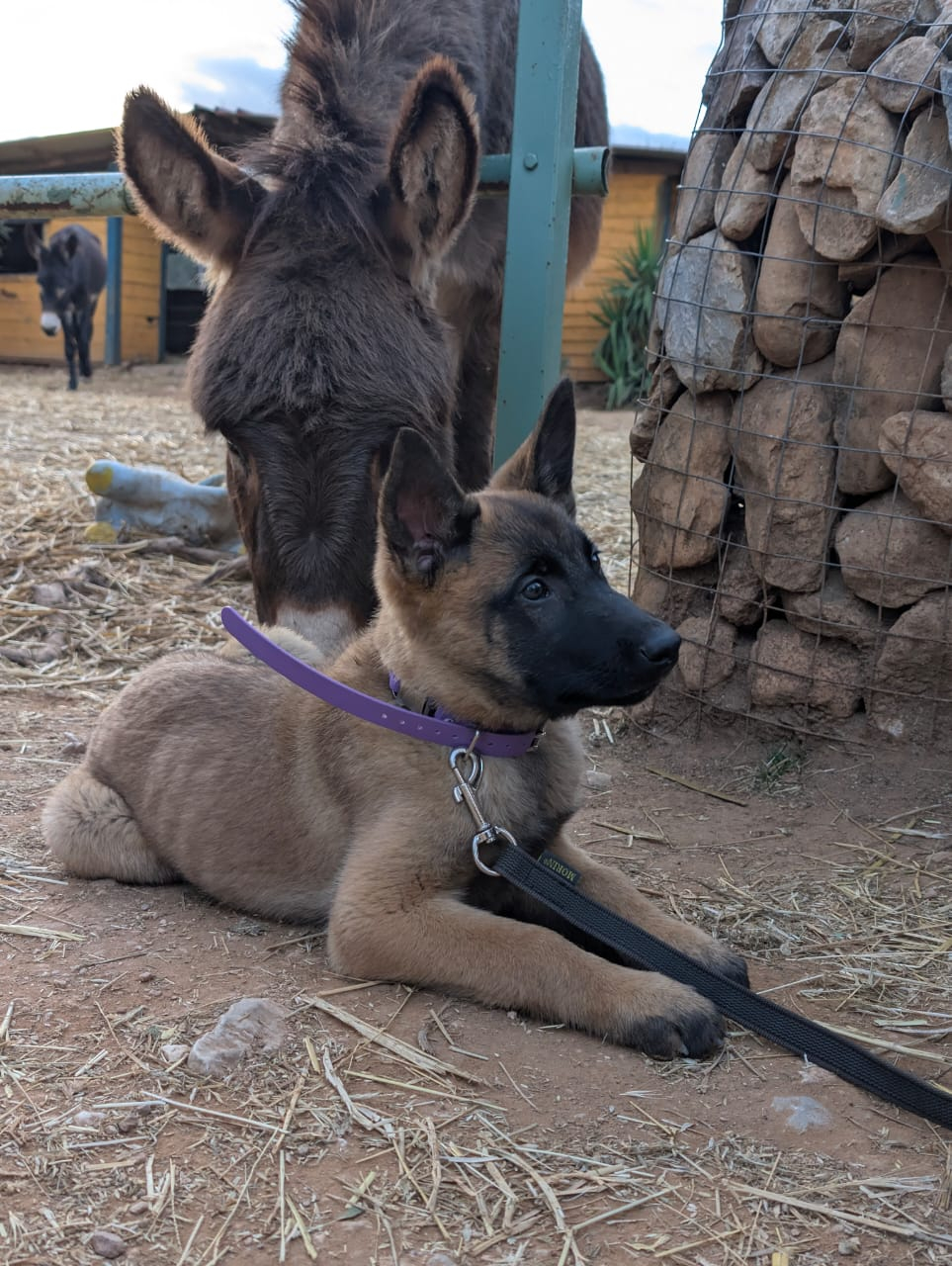
Development starts with early handling and environmental work, followed by socialization, obedience, drive development, protection foundations, progressive scenario work, final evaluation, and handler integration. Every dog follows the same core standard; later work can be adapted to the future handler and environment.
What health testing do you perform?
+
Every breeding prospect undergoes extensive health testing including hip and elbow certification, comprehensive DNA screening, and full veterinary examination. I only breed dogs that meet my strict health and working requirements to maintain the standard of the program.
What is your client selection process?
+
I carefully evaluate each potential client to make sure they understand the commitment required for a true working dog. This includes assessing handler experience, security needs, and ability to maintain training. These dogs are for serious protection needs and require experienced handling.
How long is the waiting period?
+
There is no fixed waiting period because availability depends on the dogs currently in development and how many I can train properly at one time. Contact me to discuss current prospects and upcoming availability.