How I Feed a Working Dog
Sep 1, 2026
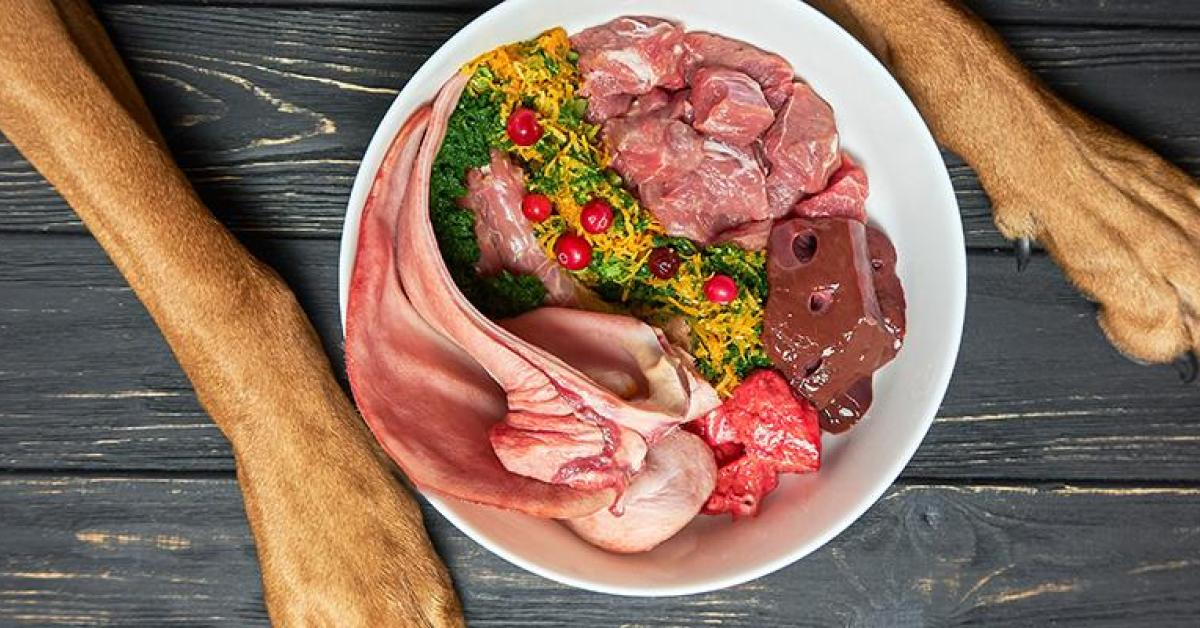
Feeding gets less attention than training, but a working dog's diet has to support real physical and mental demands, not just maintain body weight. I feed a raw, biologically appropriate diet — commonly called BARF — because it gives me more control over what's actually going into the dog, and I've seen the difference in coat, recovery, and energy over the years I've used it.
What's Actually in the Diet
The base is raw muscle meat for protein, organ meat for the vitamins and minerals that muscle meat alone doesn't provide, and raw bone for calcium and dental health. I add targeted supplementation, mainly for joint support, since working dogs put more repeated stress on joints than a sedentary pet does.
Why It Changes by Phase
A dog in active training or working scenarios needs more fuel than the same dog in a lighter maintenance period. I adjust portions and composition across three rough phases: heavier feeding during active work, a recovery-focused adjustment after intense sessions, and a leaner maintenance baseline in between. This isn't a fixed formula — it's something I watch and adjust dog by dog, because two dogs doing the same work don't always need identical feeding.
What I Don't Claim
I'm not going to tell you raw feeding is scientifically proven to outperform every commercial diet — that's a genuinely contested question, and reasonable people feed differently. What I can say is that it's worked well for the dogs in my program, it gives me direct visibility into ingredient quality, and it fits the level of individual attention I try to give every dog. If you take on one of my dogs, we'll talk through exactly what it's been eating and how to keep that consistent.