New photos of the current program are on the way.

Belgian Malinois Protection Dogs, Built One at a Time

Working-Line Malinois. Developed Through One Training System.

I raise and train a small number of dogs at a time. Genetics provide the raw material, but the finished dog depends on development, handling, judgment, and thousands of small training decisions. Keeping the program small allows me to stay directly involved with every dog.

Discuss a Dog
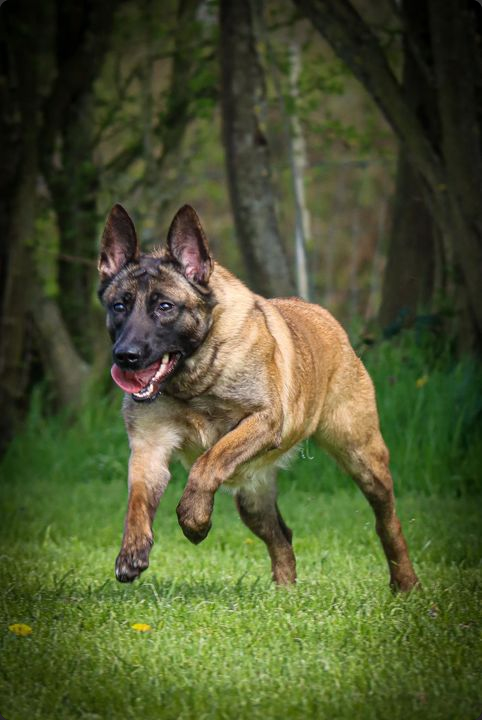
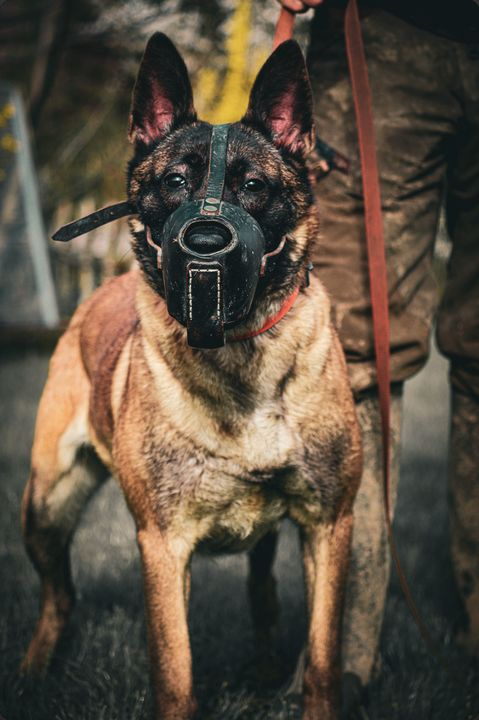
Belgian Malinois protection dog in training
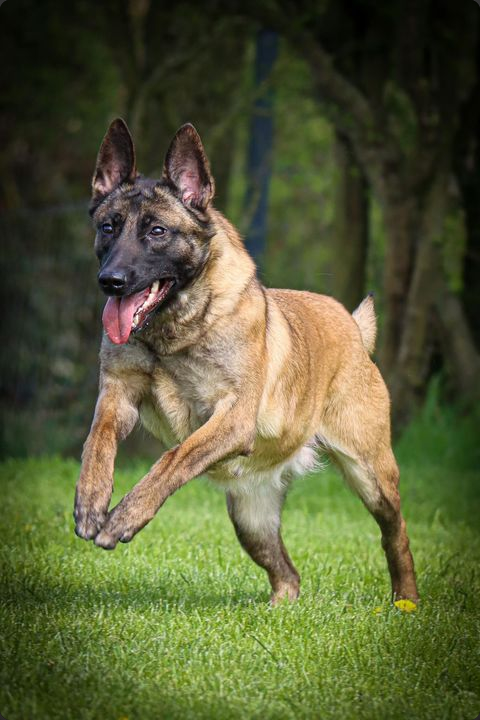
Belgian Malinois security dog showing alertness
Trained Belgian Malinois protection dog with family

The Program

About Protection Dogs GR

A Small Program Built Around the Dog

Protection Dogs GR is a small working-dog program focused on developing capable, stable Malinois for real protection work. I start with proven working genetics, then evaluate what each dog actually shows through development and training.

The goal is not to make a dog look impressive in a demonstration. The goal is to develop a dog that can work with intensity, stay clear-headed under pressure, and return to control when the situation changes.

The Training Philosophy Behind Every Dog

I am not trying to produce a large number of protection dogs. I am trying to develop a small number properly. Each dog must have the genetics, nerve, drive, stability, and trainability to justify continuing in the program.

Two dogs with similar genetics can finish very differently depending on timing, handling, pressure, reinforcement, and the trainer's judgment. That is why I keep the work hands-on and the number of dogs limited.

The program stays small because I would rather develop fewer dogs properly than increase numbers and lose control of the process. Not every dog will meet the standard, and I do not force a dog into protection work simply because time has already been invested in it. If the nerve, drive, recovery, or composure is not there, the dog is not placed as a protection dog.

The result is simple: fewer dogs, more direct involvement, and a standard I do not have to lower in order to grow.

A bloodline gives you potential. The trainer determines what becomes of it.

Why the Trainer Matters

Genetics matter, but genetics alone do not make the finished dog. The difference is in how the dog is developed: what is built first, when pressure is introduced, how drive is controlled, how recovery is evaluated, and what the trainer is willing to reject rather than hide. That process is where most of the final quality is created.

This is difficult to reduce to certifications or technical vocabulary. Much of the work comes down to reading the individual dog correctly and making the right decision at the right time. I would rather let the finished dog demonstrate the quality of that process than rely on claims about it.

Why the Program Stays Small

Training at this level is hands-on work. I need to know how each dog develops, where it is strong, where it is weak, how it reacts under pressure, and how quickly it recovers. I can only do that properly with a limited number of dogs at one time, and I intend to keep it that way.

You deal directly with the person responsible for developing the dog. There is no separate sales department between the client and the trainer. The same person evaluating the dog is the person discussing the dog with you.

Who These Dogs Are For

These dogs are matched carefully, including with:

  • People protecting a family or home
  • Business or property owners with genuine security concerns
  • People facing a specific threat or security problem
  • Experienced handlers looking for a serious working dog

The right placement depends on both the dog and the handler. A protection dog is not simply purchased; it has to be matched to a person who understands the responsibility of owning and maintaining a serious working dog.

Why I Built the Program

I built the program because I was not satisfied with the balance I kept seeing between intensity, stability, nerve, and control. I wanted a dog that could work with real commitment without losing clarity. That led me to develop my own system and refine it dog by dog.

Why Availability Is Limited

I only work with a small number of dogs at a time because I train and evaluate them directly. Availability is therefore limited by training capacity, not by artificial scarcity.

If you want to discuss a current or future dog, contact me directly:

Development

How I Develop Every Dog

My Breeding Standards

Every dog I raise goes through the same training system, refined through hands-on work and continuous evaluation. The system is consistent, but the trainer still has to read the individual dog and make the right decisions at the right time.

Foundation comes before pressure. Before a young dog ever sees real pressure equipment, I build frustration tolerance the right way — through structured chase-and-release work that teaches a dog how to want something intensely and still stay thinking. Skip this step, and you get a dog that's explosive but can't be brought back down. I don't skip it.

Calm is the anchor, not the exception. I train every dog to return to a settled, possessive calm as its default state — even mid-grip, even under stress. A protection dog's job isn't to stay wound up; it's to know exactly when to switch states, and switch back just as fast.

How I Test and Evaluate

Most bite work testing in this industry is surface-level — a single decoy, a single kind of stress, in a setting the dog has already been prepped for. I test with layered, unpredictable pressure instead, because that's the only way to see what's actually underneath the training. I also look for calm under that pressure, not just intensity — and for how a dog holds itself in stillness, when nothing around it is chasing, moving, or making noise.

How fast a dog re-engages and returns to a working state after real stress tells me more than almost anything else. It's the marker most trainers overlook — and it's the one I build my entire evaluation around. Every session is filmed, not for marketing, but so I can review my own handling honestly and keep improving.

How I Choose Pairings

Breeding decisions in my program go beyond a health clearance and a good pedigree on paper. I look for genuine complementary drive character between sire and dam — lines that fill in each other's gaps rather than stacking the same strengths and the same risks. I work closely with the math behind it too: coefficient-of-inbreeding calculations across the full pedigree, not just the first two or three generations, so I understand exactly what I'm concentrating and what I'm diluting before a breeding decision is made.

I've also brought in outside lines deliberately — including dogs from rare, closed Belgian working bloodlines used by special forces and law enforcement programs — specifically to strengthen genetic depth rather than simply chase a name on paper. It is a slower way to breed and develop dogs, but it gives me more control over what I am producing and why each pairing is made.

Available Now

Available Protection Dogs

Currently available: 1

Current prospects are shown here as they develop. Every dog follows the same core training standard and is evaluated continuously before final placement.

Bobo - Protection Dog Prospect

Bobo, a trained Belgian Malinois protection dog
Born: 11-03-26 Working Line

Proven working-line genetics with strong drive

Strong environmental confidence and early development

Strong focus and developing situational awareness

Currently in foundation protection training

Extensively socialized in urban environments

Developing as a serious personal and property protection prospect

EUR50,000

Bobo is the last dog at this price point. Pricing moves to €70,000 starting with the next litter.

Ask About Bobo

Coming Soon


New Protection Dog Prospect
Currently in Development

Another prospect is currently in development.

Discuss Future Availability

My Breeding Standards

Each potential breeding candidate undergoes extensive health testing, including DNA screening and hip/elbow certification. I use carefully selected studs with documented working ability to maintain true working drives and capabilities.

My Training Program

These young prospects are currently in the early stages of my development program. Every dog goes through the same core training standard. There are no lower or higher training tiers. Once a dog is matched, later work can be adapted to the future handler and environment without changing the standard.

How I Develop Each Dog

A five-phase development system built around a simple principle: drive and self-control are developed separately, then brought together deliberately.

1
Early Development
0-3 Weeks
2
Socialization
3-12 Weeks
3
Foundation Training
3-6 Months
4
Advanced Work
6-12 Months
5
Final Evaluation
12-18 Months
Phase 1

Early Development

0-3 Weeks

Development begins in the first days of life. Early handling and controlled stimulation are used to build a stronger foundation for later environmental confidence and stress resilience.

Early Handling (3-16 days)

Structured early handling and stimulation exercises that build a foundation for stress resilience later in life

Environmental Enrichment

Controlled exposure to textures, surfaces, and sensory experiences

Temperament Assessment

Continuous evaluation of genetic expression and aptitude indicators

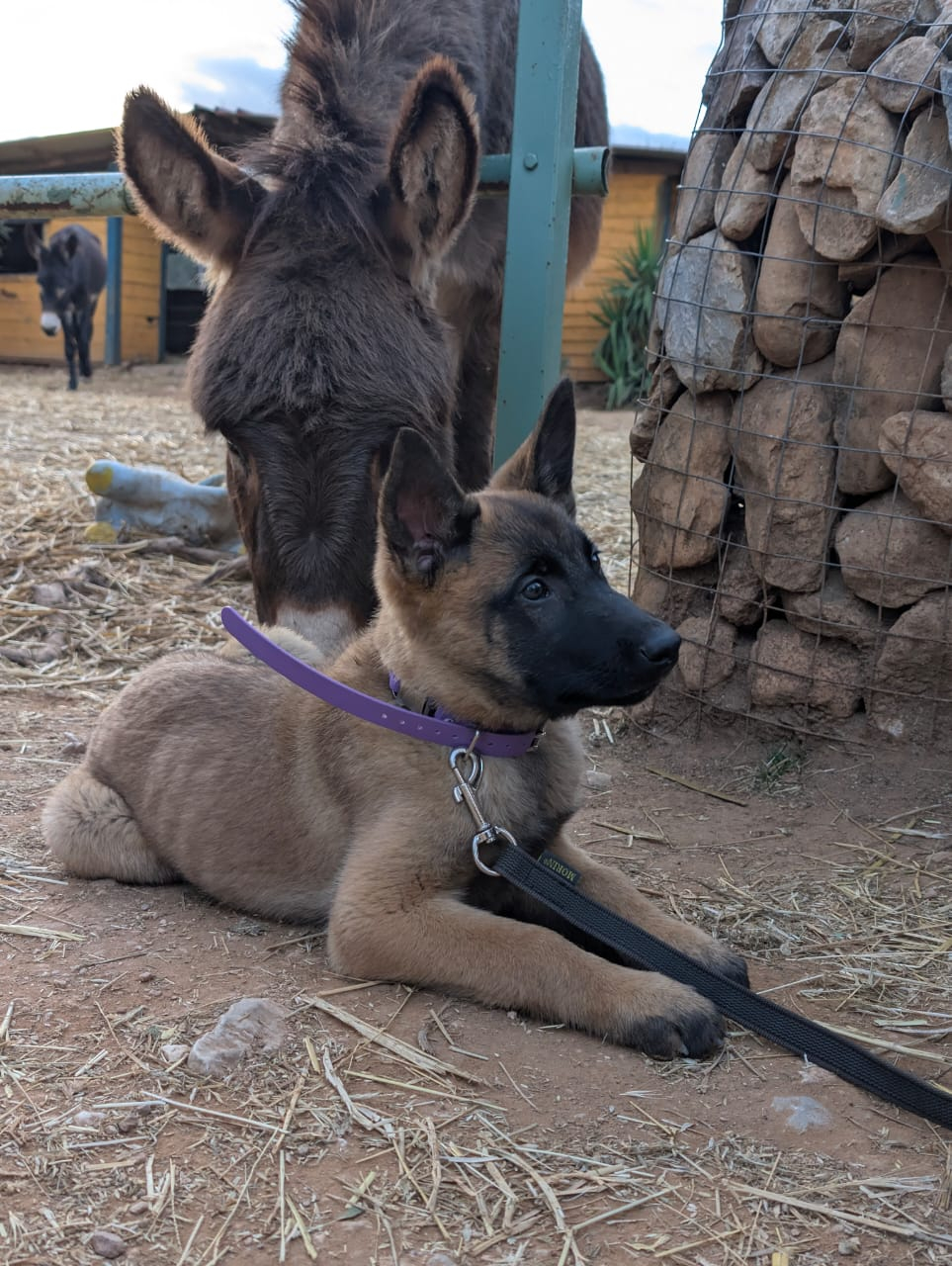
Belgian Malinois puppy early development training
Phase 2

Socialization Protocol

3-12 Weeks

During this critical socialization period, I follow structured exposure work to develop confident, stable dogs capable of functioning in diverse environments.

Advanced Socialization

Controlled exposure to various people, animals, and environments

Environmental Confidence

Systematic exposure to diverse surfaces, sounds, and scenarios

Early Scent Introduction

Foundation work for specialized detection capabilities

Malinois protection dog socialization training
Phase 3

Foundation Training

3-6 Months

This phase establishes core obedience and introduces foundational protection concepts, creating the framework for advanced capabilities.

Core Obedience

Establishing reliable command response in all environments

Drive Development

Channeling genetic drives into focused working capability

Protection Foundations

Introduction to controlled defensive response and targeting

Malinois protection dog foundation obedience training
Phase 4

Advanced Protection Work

6-12 Months

Protection work becomes progressively more demanding through varied people, locations, surfaces, distractions, and pressure. The purpose is to test whether the dog can keep thinking as the work becomes harder.

Scenario Training

Real-world protection situations with varied decoys and locations

Tactical Response

Developing appropriate force application and targeting precision

Handler Integration

Building the critical handler-dog security relationship

Advanced Malinois protection dog scenario training
Phase 5

Final Evaluation & Handler Integration

12-18 Months

The final phase is about proving the dog consistently, identifying any remaining weaknesses, and teaching the future handler how to maintain the work correctly.

Consistency Testing

Rigorous evaluation across all protection and obedience parameters

Environmental Proofing

Final confirmation of performance in diverse real-world settings

Client Handover

Comprehensive handler training and integration support

Trained Malinois protection dog handler integration

What It Costs

Pricing

Fully Developed Protection Dog

  • Advanced Command Training
  • Multiple Threat Response
  • Public Space Discipline
  • Vehicle & Travel Trained
  • Working-Line Genetics

Standard price from the next litter forward. Availability depends on current training capacity and upcoming prospects.

EUR70,000

There are no training tiers. Every dog must meet the same core standard. Once a dog is matched to a future handler, later work can be adapted to that person's environment and requirements without lowering the standard.

Discuss Availability

Reviews

What Clients Say

Questions

Frequently Asked Questions

I keep the breeding program small and selective. Working ability, nerve, health, pedigree depth, and complementary traits between sire and dam all matter. The goal is not to produce more litters; it is to give the training program better raw material to work with.
Every dog is tested under real, layered pressure — not a single controlled scenario, but compound, unpredictable stress that reflects what a genuine security situation actually looks like. This is combined with advanced protection scenarios and tactical training to confirm strong drive, a clear head, and real working ability under pressure. These are not standard protection dogs — they are working dogs developed for genuine security needs.
Because my standards are strict, not every dog I raise ends up in protection work — and I'm upfront about that. Dogs that don't meet my threshold for working nerve are never placed as protection dogs. They're rehomed responsibly, matched to the right kind of life for their actual temperament. A high wash-out rate is a sign the standard is real, not a flaw in the dog — most dogs are simply better suited to a different life than this one.
My system develops drive and regulation separately before expecting the dog to perform both together. Foundation comes before pressure. The aim is not simply a more intense dog, but a dog that can work hard, think clearly, and return to control. The system is consistent across every dog I develop.
This is exactly what my foundation training is built around. A dog with real drive but no regulation is dangerous. A dog I place has been proven to return to a calm, settled state on command, even coming off high pressure — that's not optional in the program, it's the core of it.
These dogs require experienced handling. They are true working Malinois with strong drives - not standard family pets. Handlers must be committed to maintaining training and managing a high-drive working dog. I provide handler training and ongoing support to ensure a successful integration.
Development starts with early handling and environmental work, followed by socialization, obedience, drive development, protection foundations, progressive scenario work, final evaluation, and handler integration. Every dog follows the same core standard; later work can be adapted to the future handler and environment.
Every breeding prospect undergoes extensive health testing including hip and elbow certification, comprehensive DNA screening, and full veterinary examination. I only breed dogs that meet my strict health and working requirements to maintain the standard of the program.
I carefully evaluate each potential client to make sure they understand the commitment required for a true working dog. This includes assessing handler experience, security needs, and ability to maintain training. These dogs are for serious protection needs and require experienced handling.
There is no fixed waiting period because availability depends on the dogs currently in development and how many I can train properly at one time. Contact me to discuss current prospects and upcoming availability.
Instagram

From the Training Program

The Blog

Latest Insights & Articles

Belgian Malinois puppy early development
Breeding

Early Development: The First 16 Weeks

What actually happens in a working Malinois puppy's first 16 weeks, and why this stage sets the ceiling for everything that comes after.

Sep 1, 2026 Read Article
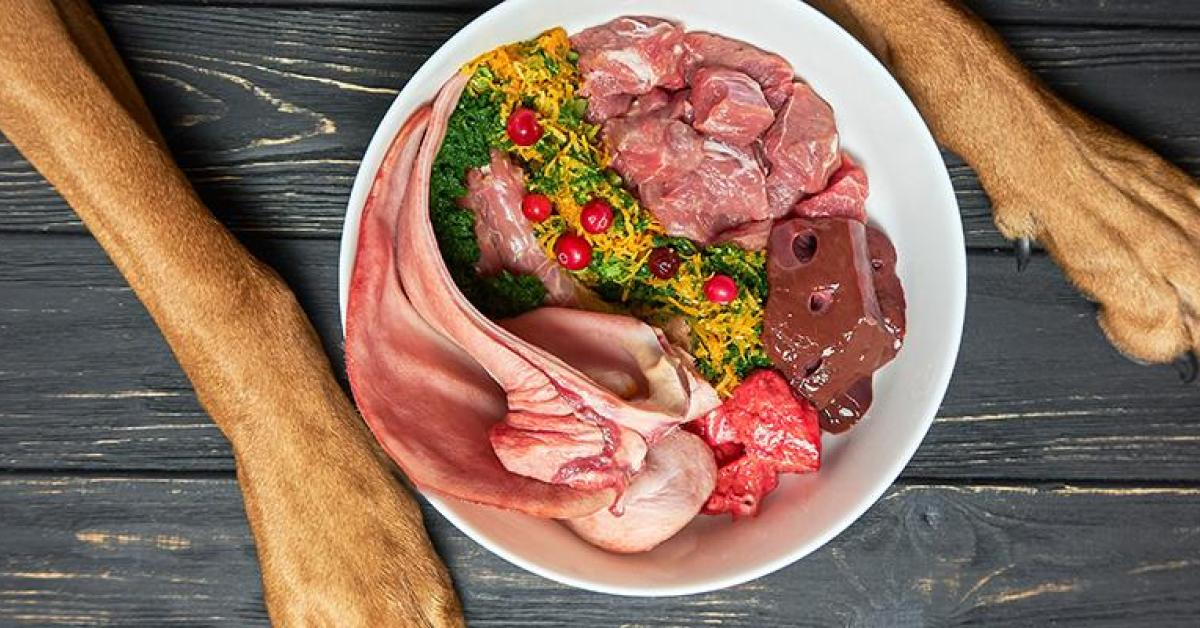
Raw diet feeding for a working Belgian Malinois
Health

How I Feed a Working Dog

Why I use a raw diet approach, what's actually in it, and how feeding changes across working, recovery, and maintenance phases.

Sep 1, 2026 Read Article
Malinois Working Line Breeding Science
Breeding

What Actually Makes a Working Line

Why I evaluate dogs through real, layered pressure rather than sport titles or pedigree names — and what that means for the genetics I actually select for.

Aug 22, 2026 Read Article
View All Articles

Subscribe to receive the latest insights directly to your inbox

Before We Talk

Client Questionnaire

Before We Talk in Detail

Before discussing placement in detail, I ask potential clients to complete a short questionnaire. It helps me understand your security needs, handling experience, environment, and whether one of my dogs is likely to be the right fit.

Download Questionnaire

Please complete and return to: epdogs@protonmail.com

Privacy and Confidentiality

Privacy Taken Seriously

I understand clients often need privacy — around their identity, their location, and their security arrangements. I'm happy to sign a mutual NDA before any detailed consultation.

Confidentiality When Needed

Some clients have sensitive personal, professional, or security circumstances. Where needed, confidentiality arrangements can be agreed before detailed information is shared.

Confidential Throughout

I keep all client information confidential from first contact through delivery — your identity, location, and security arrangements stay between us.

Your privacy matters. From initial consultation to final delivery, I take discretion seriously.

Contact Me Privately
SafariMedic Logo

Medical support solutions relevant to working-dog and protection environments

Get in Touch

Contact

Your information is treated privately and used only to respond to your inquiry.

I typically respond to all inquiries within 24 hours.

Email WhatsApp Instagram